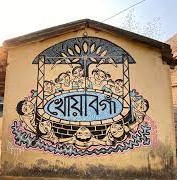
we all love

nature

“Look deep into nature, and you will
understand everything better”Albert Einstein

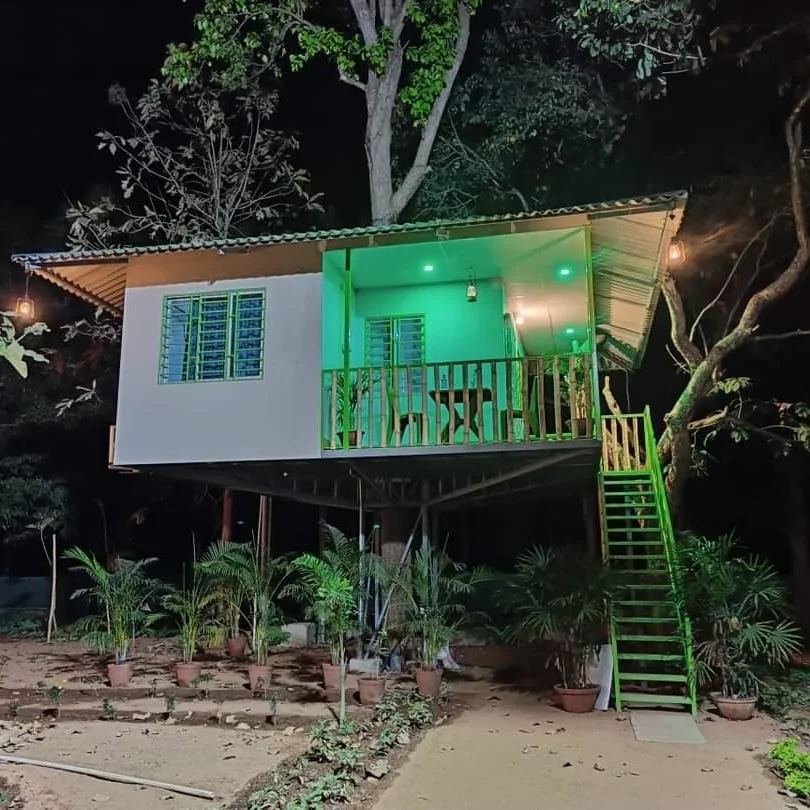
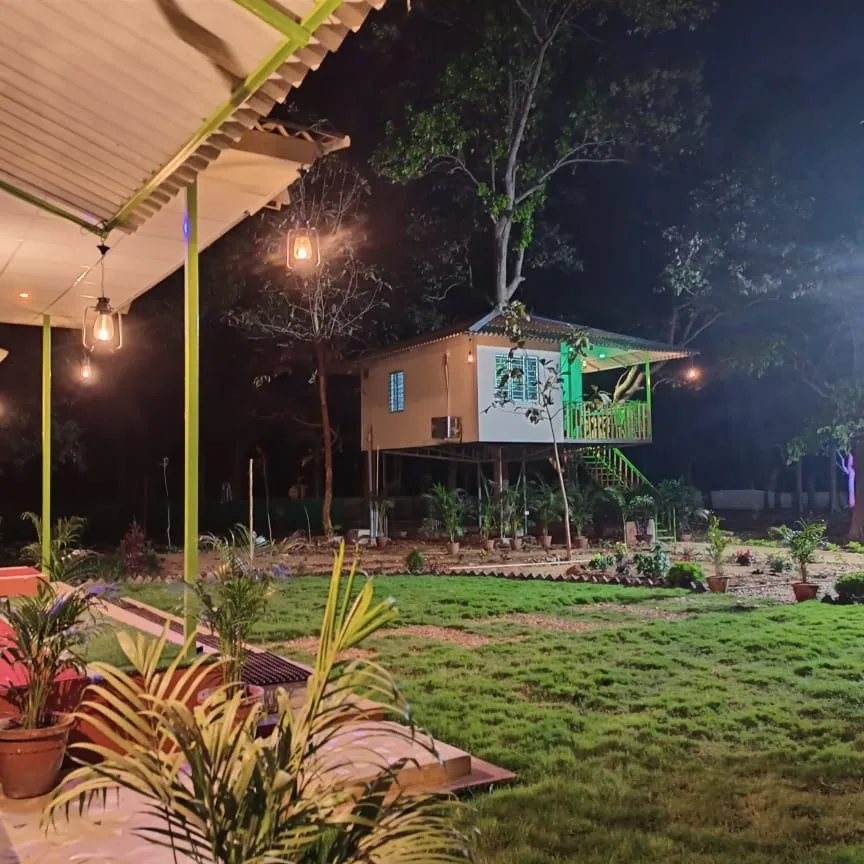
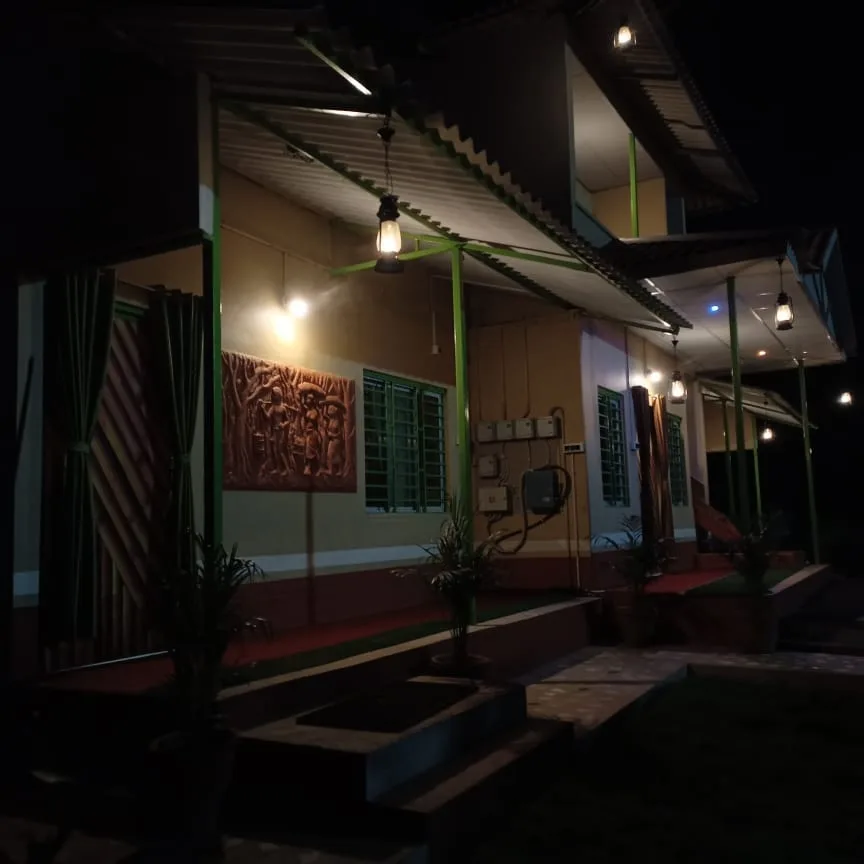
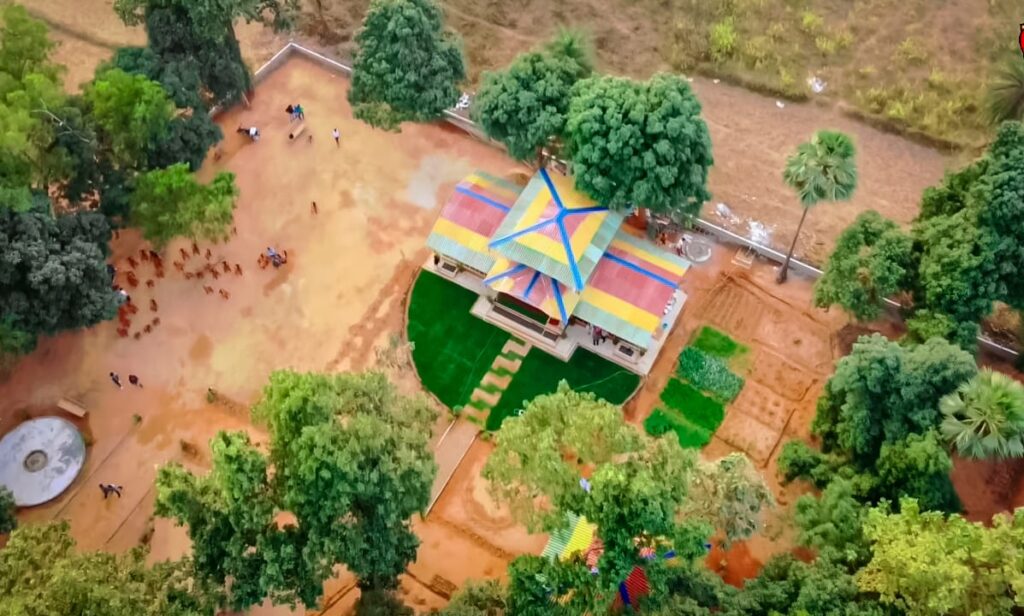
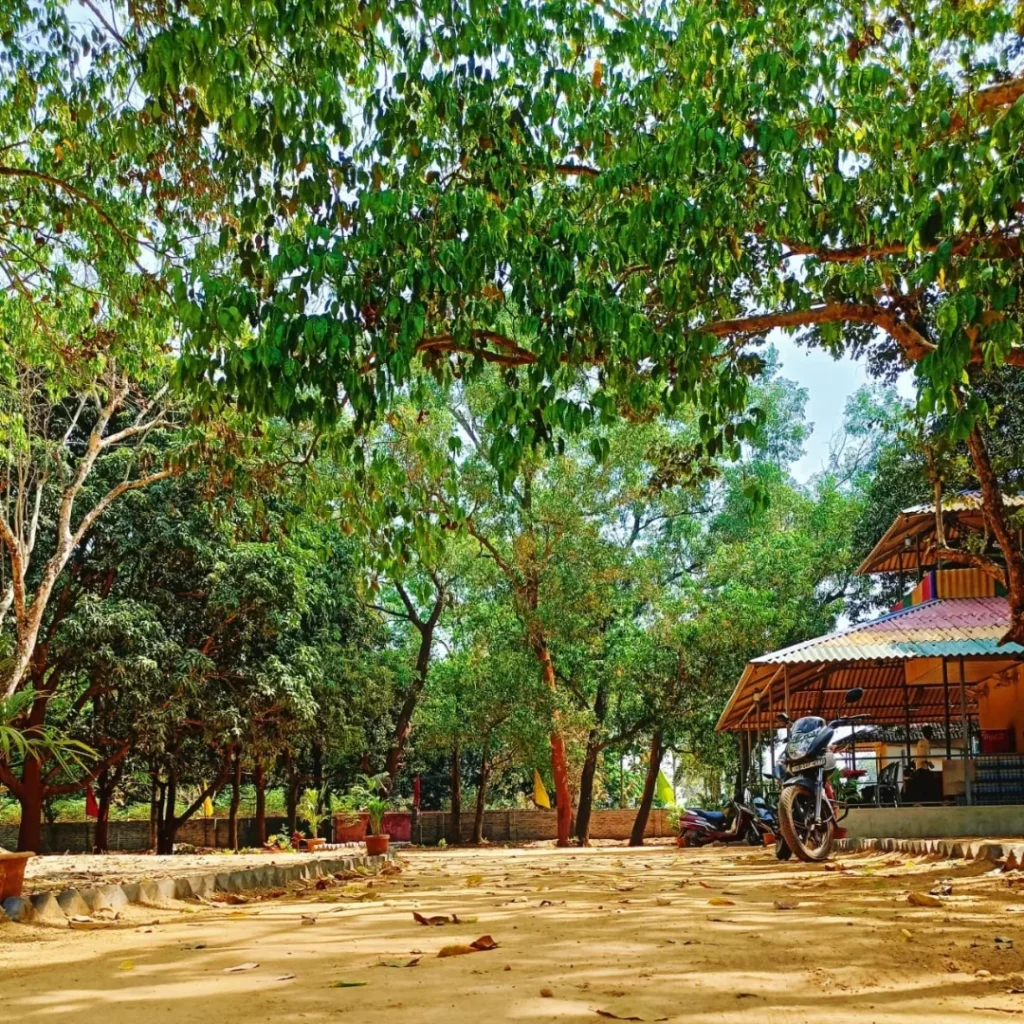
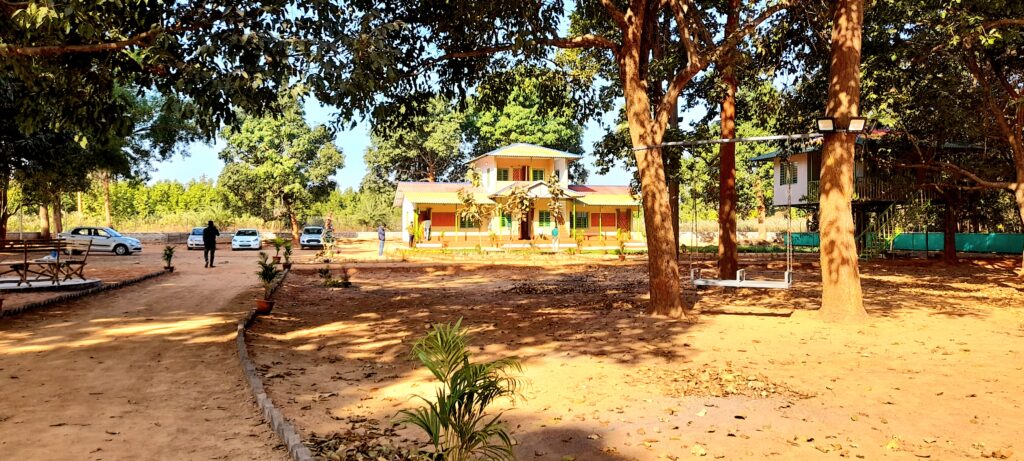
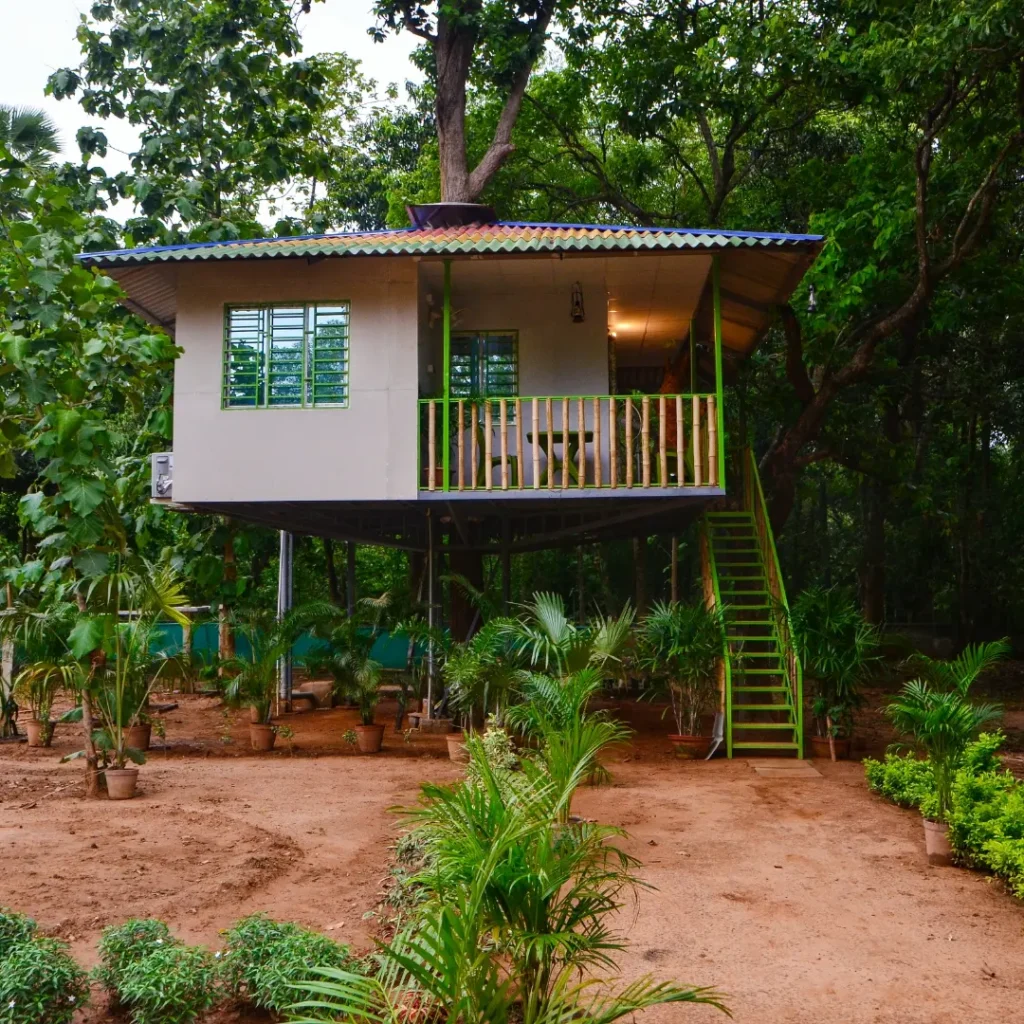
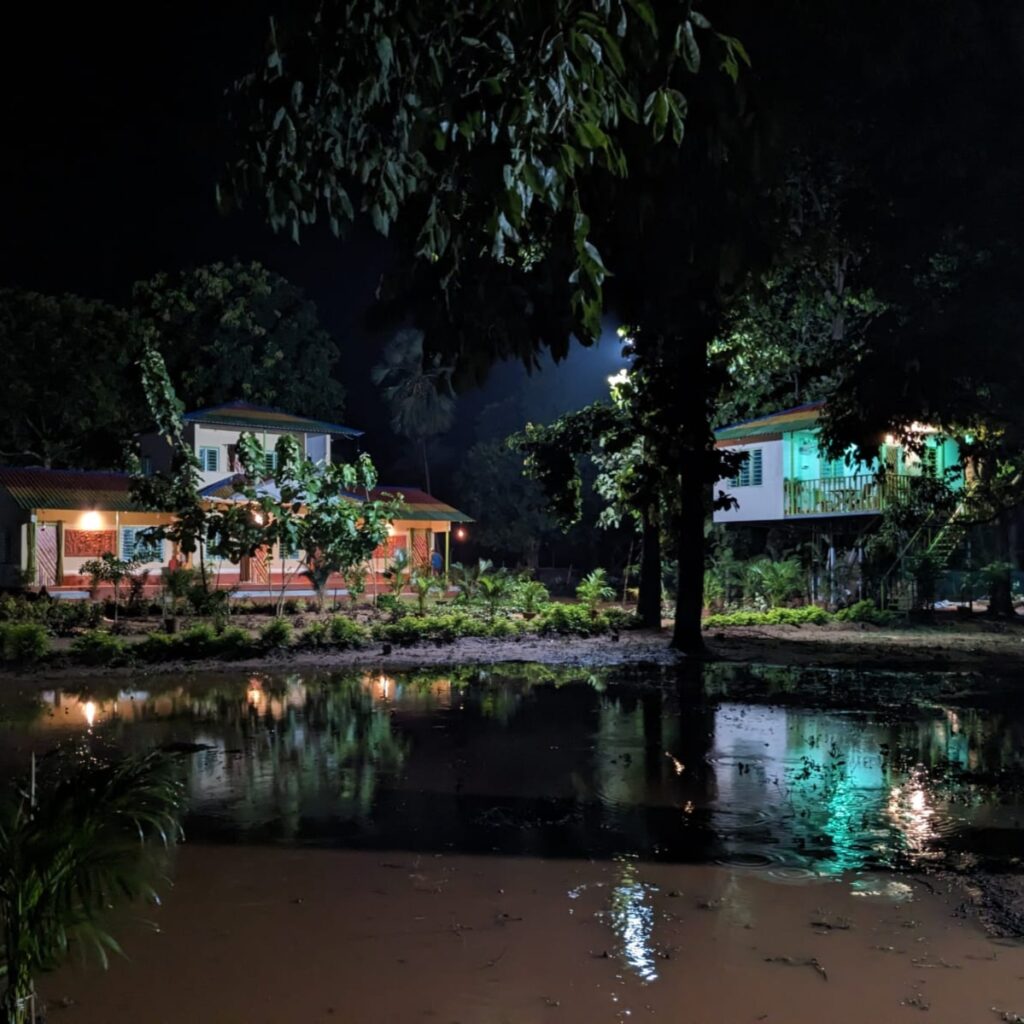
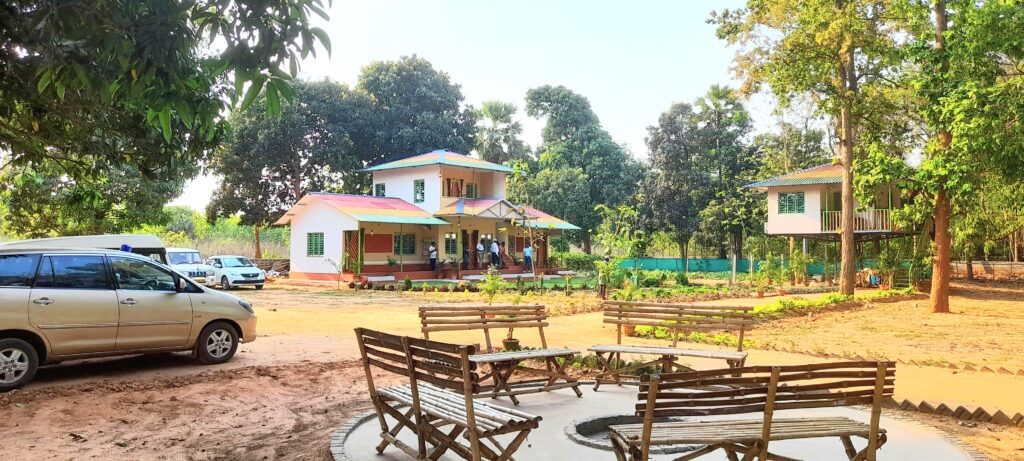
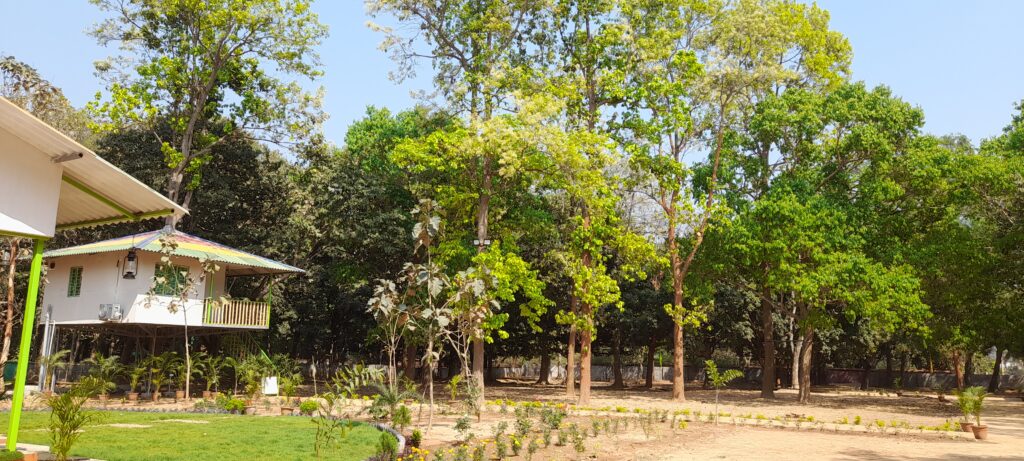
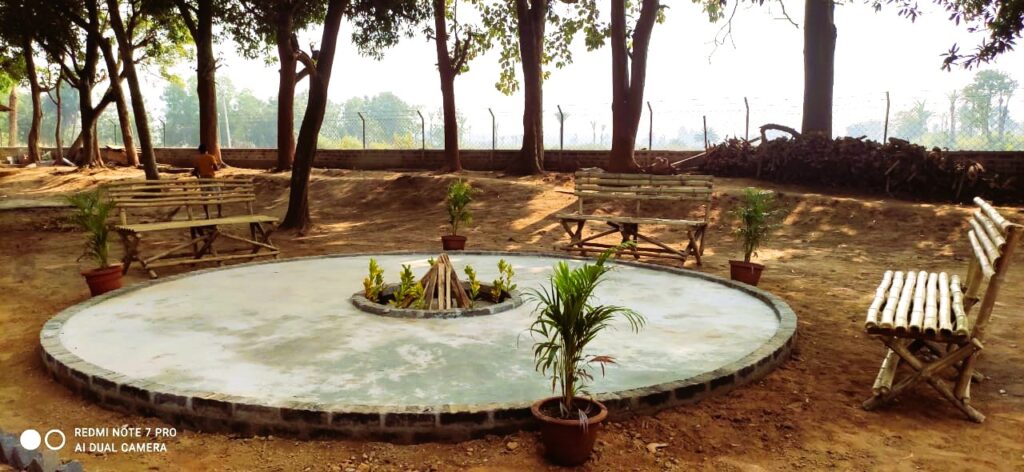
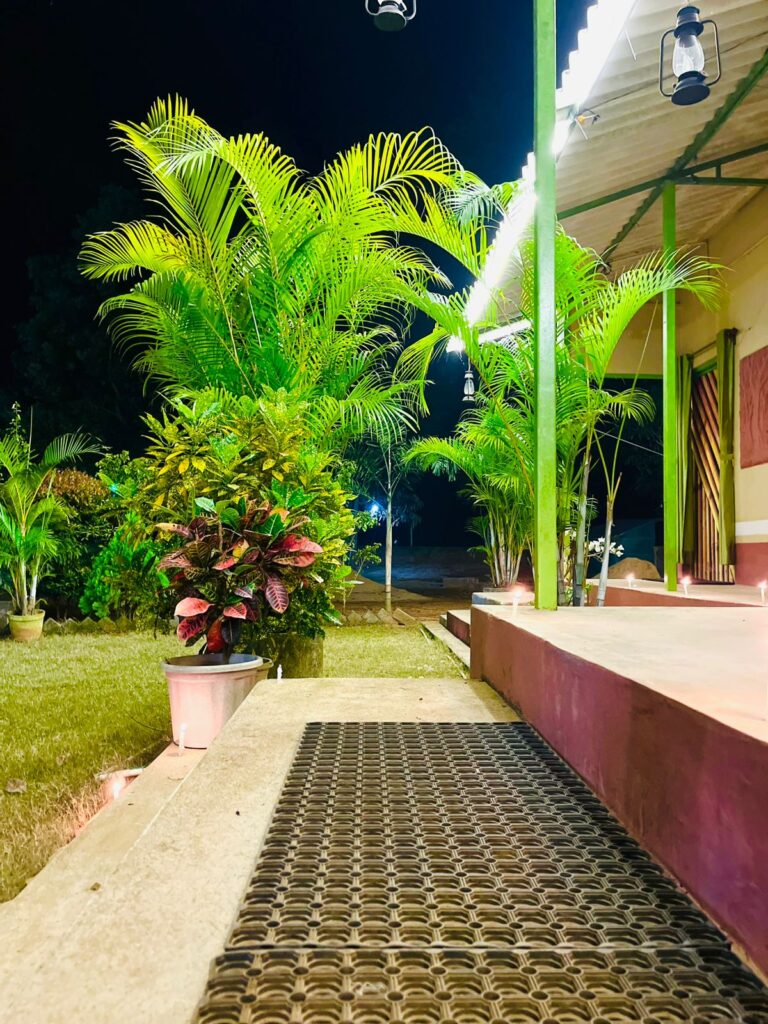
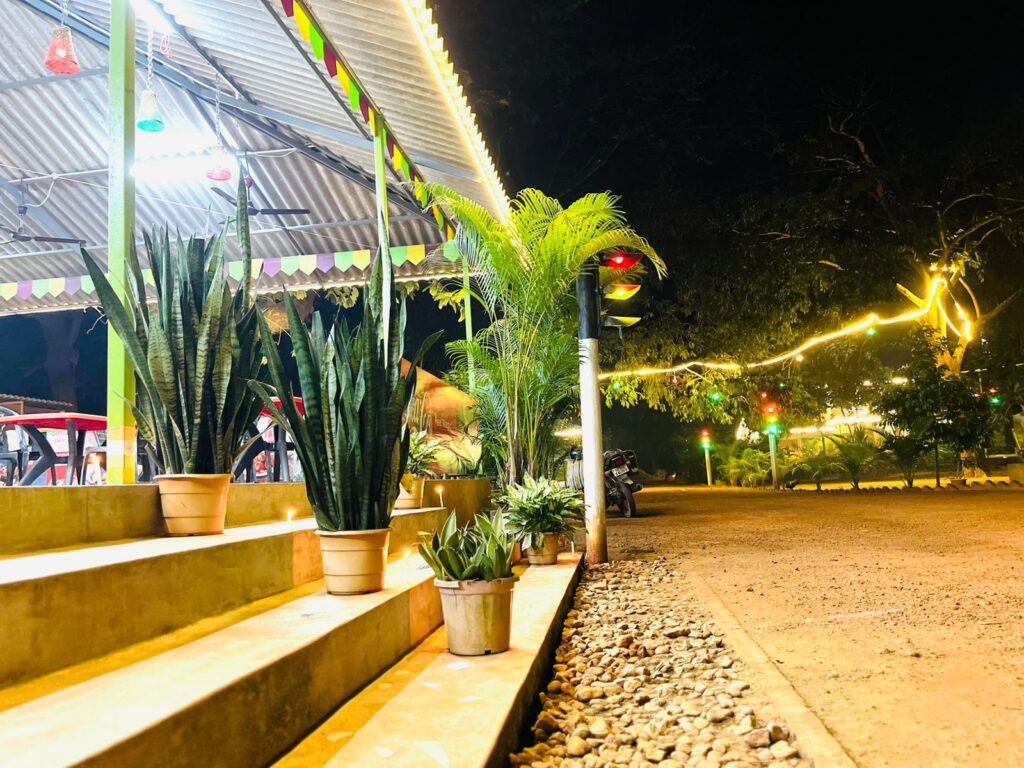
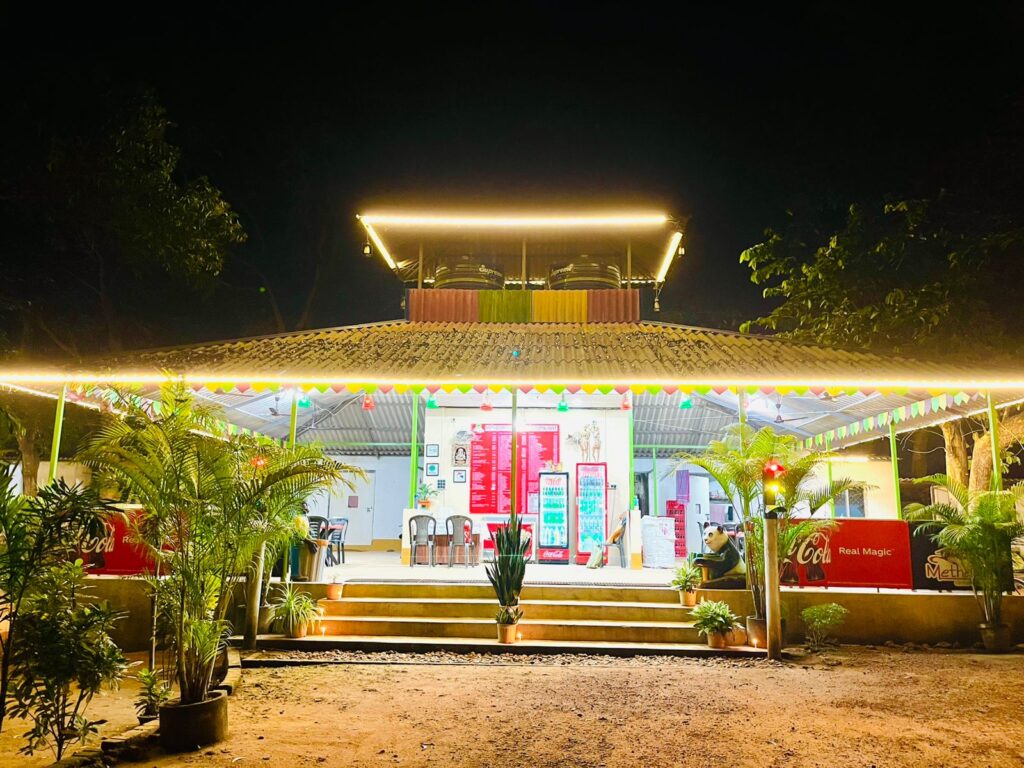
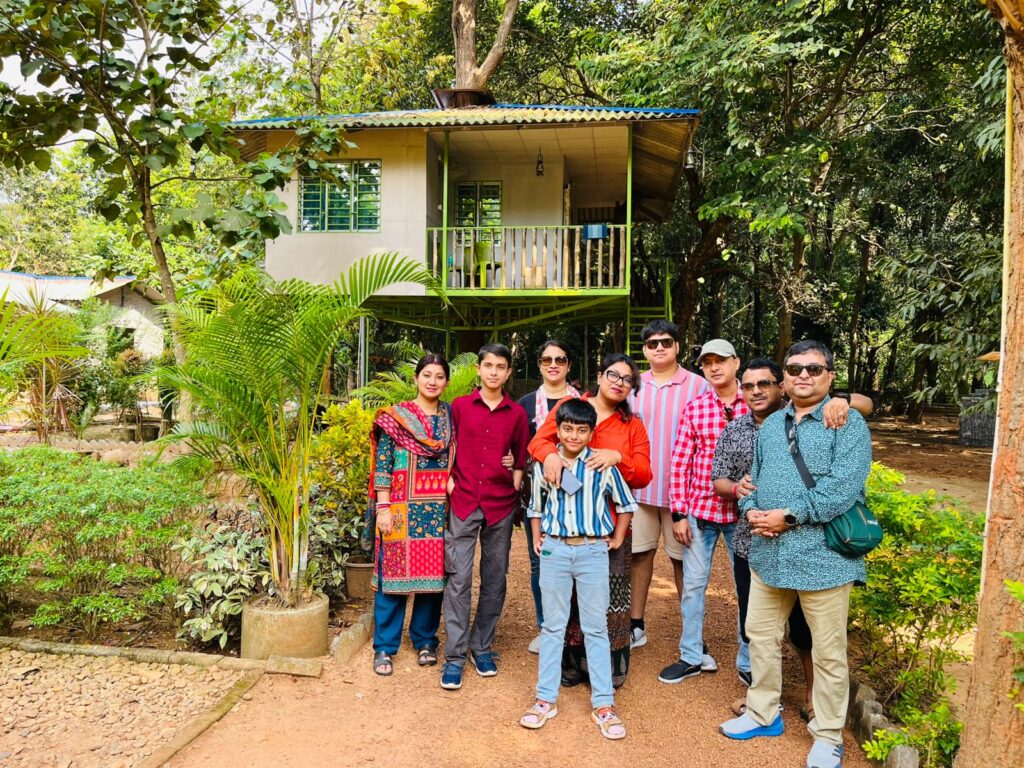
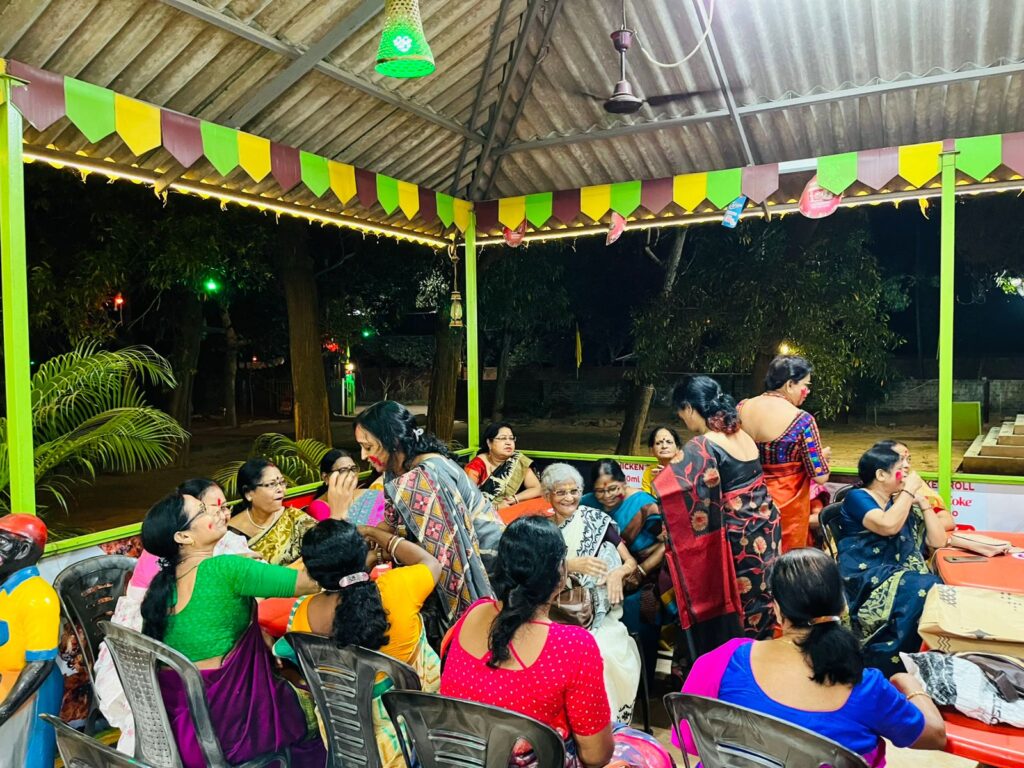
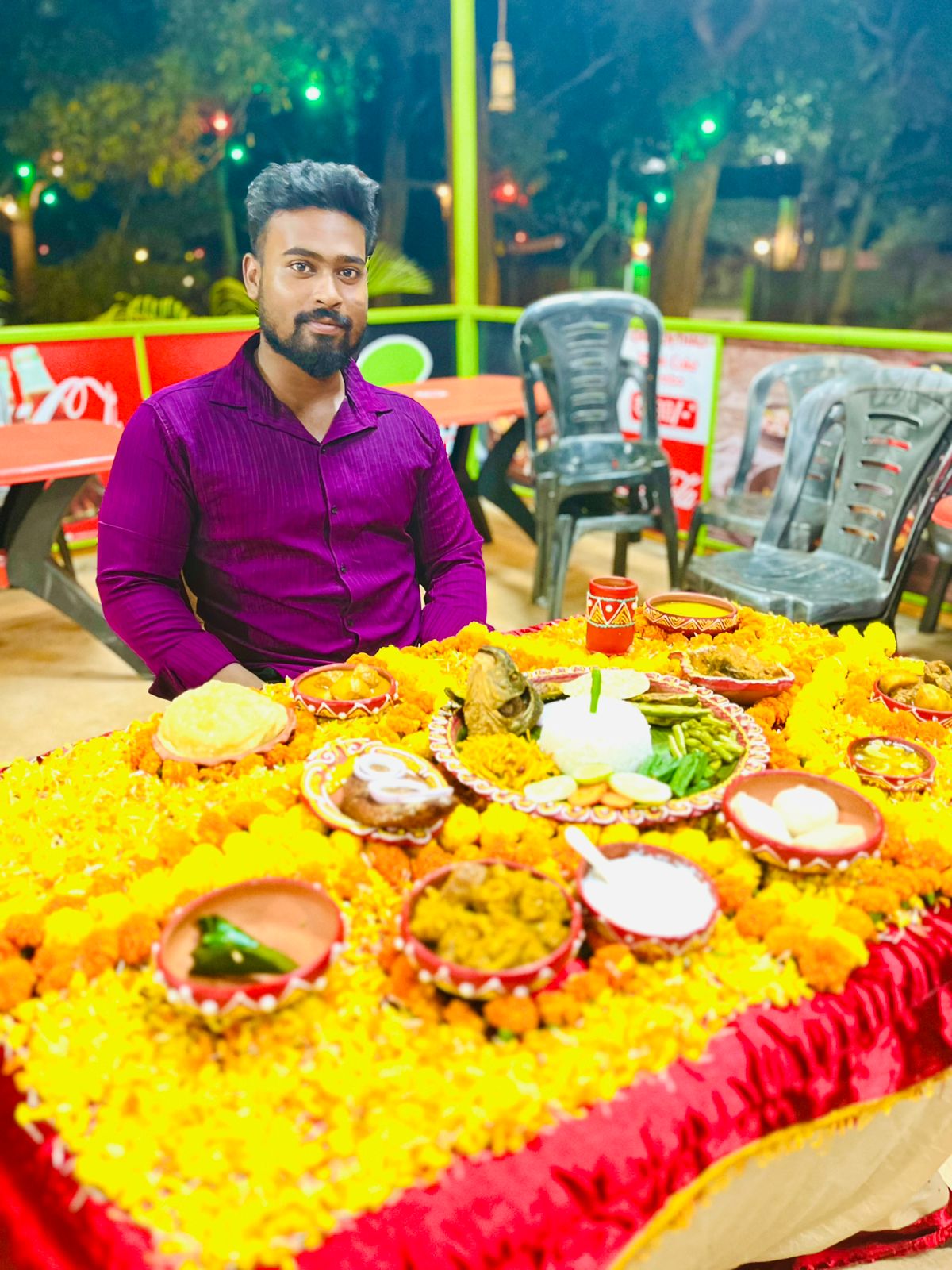
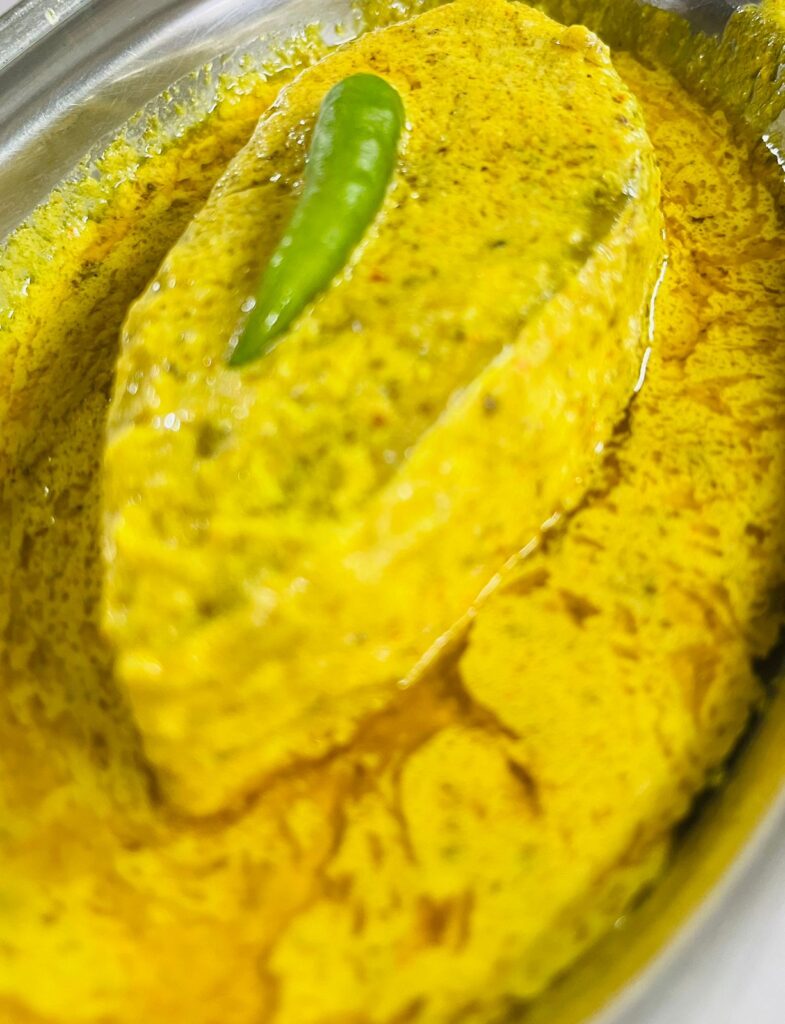
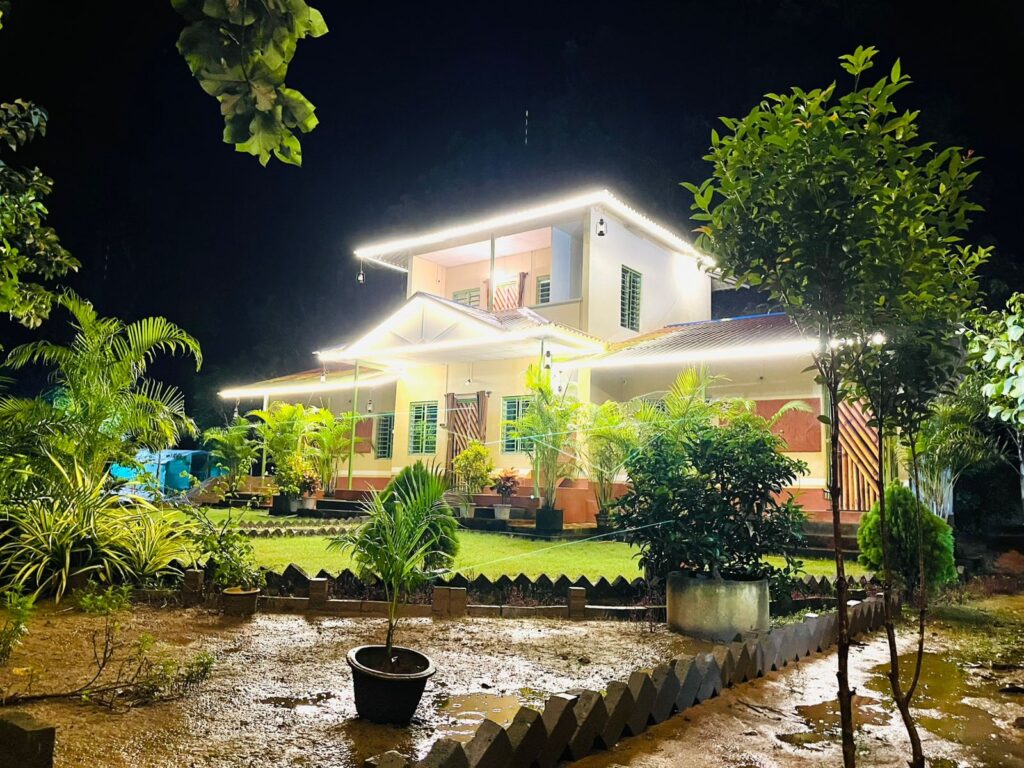
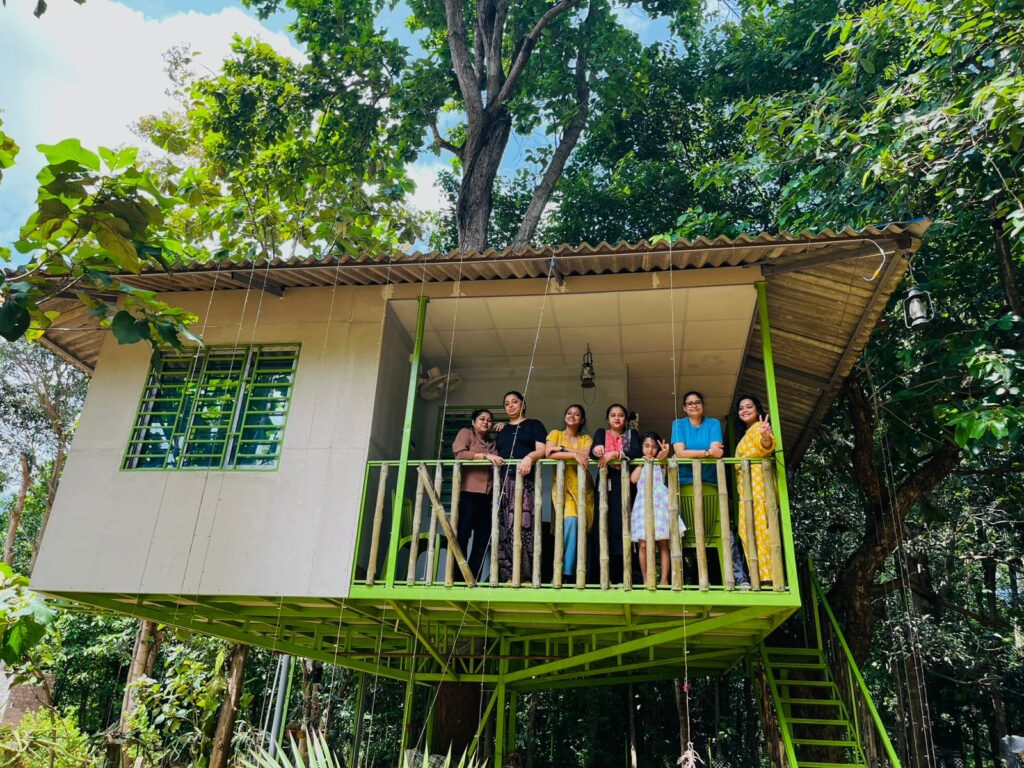
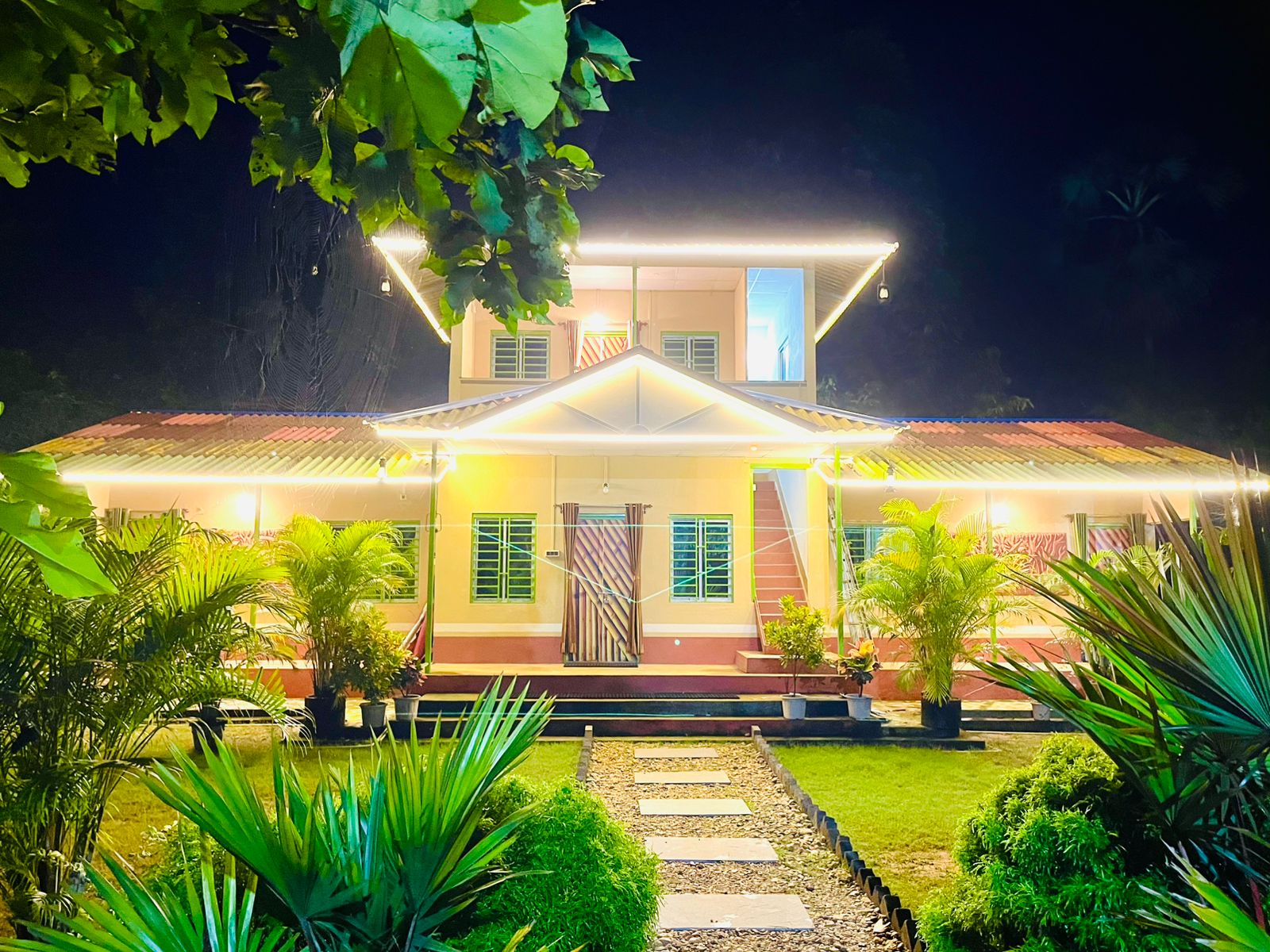
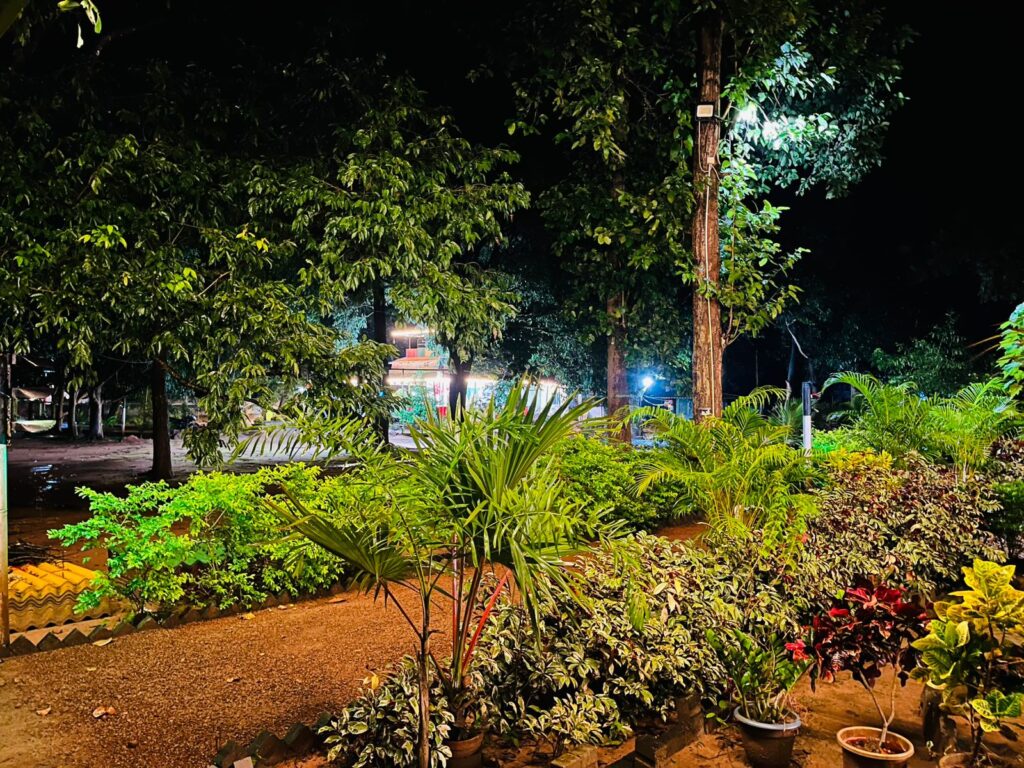
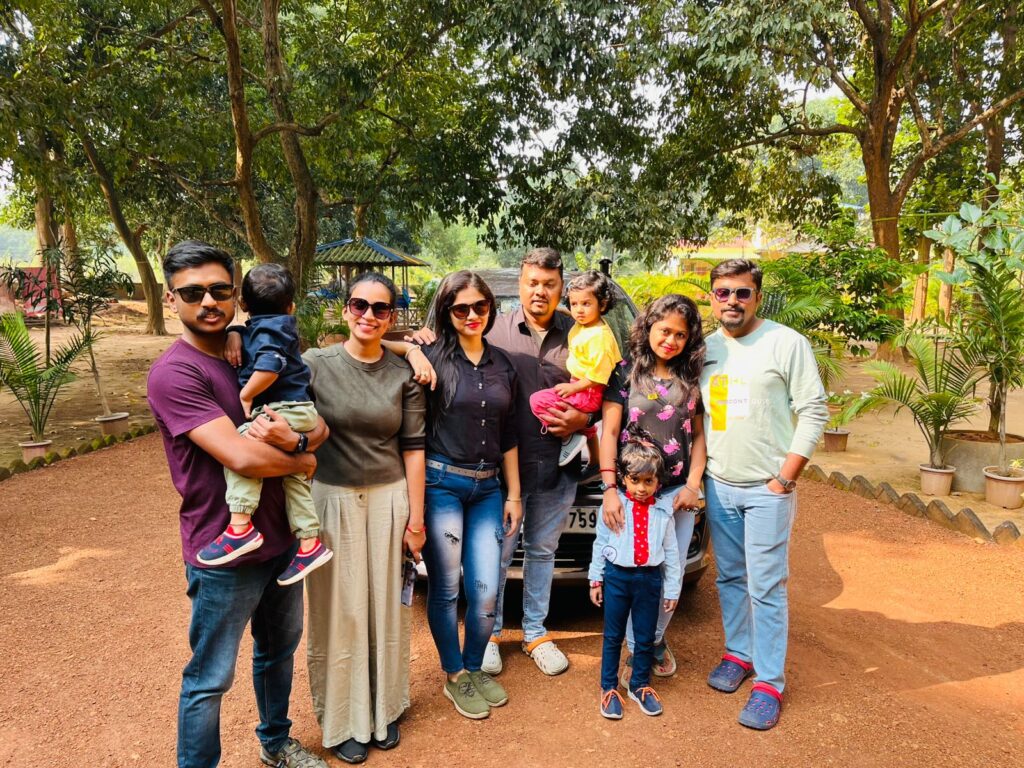
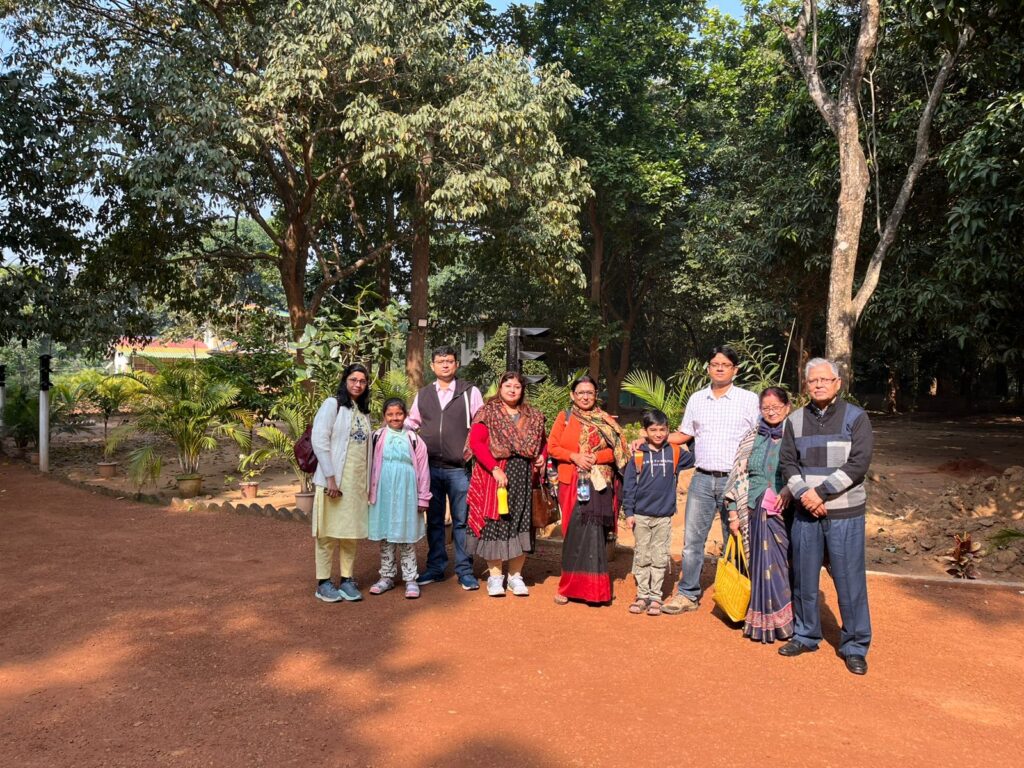
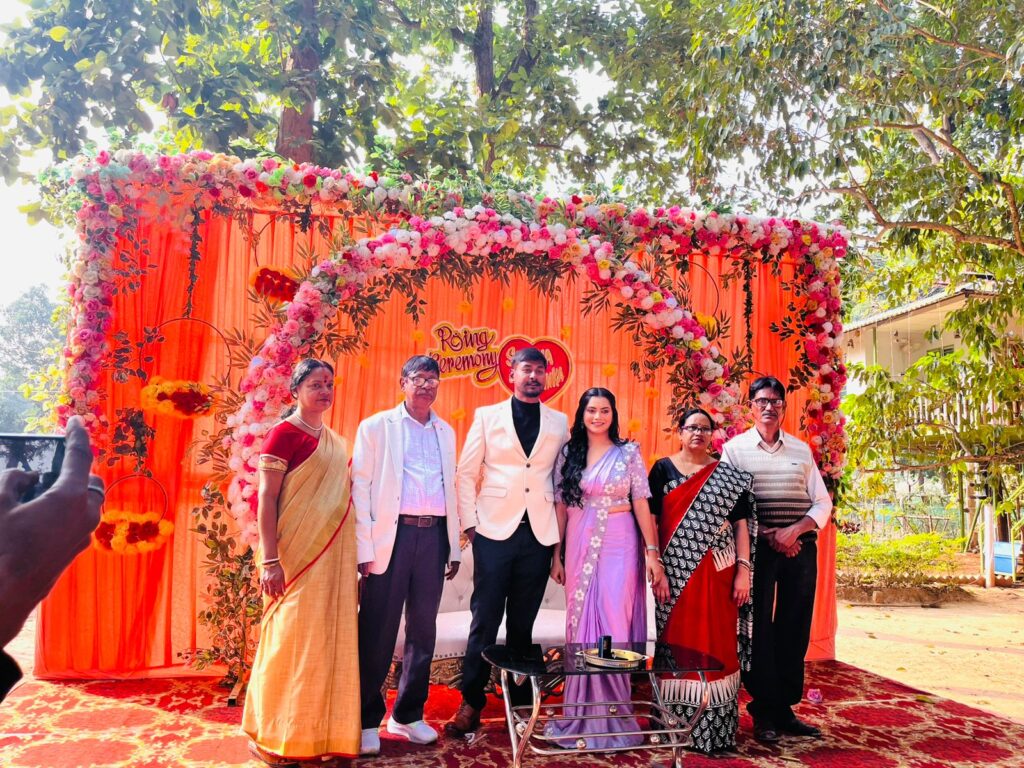
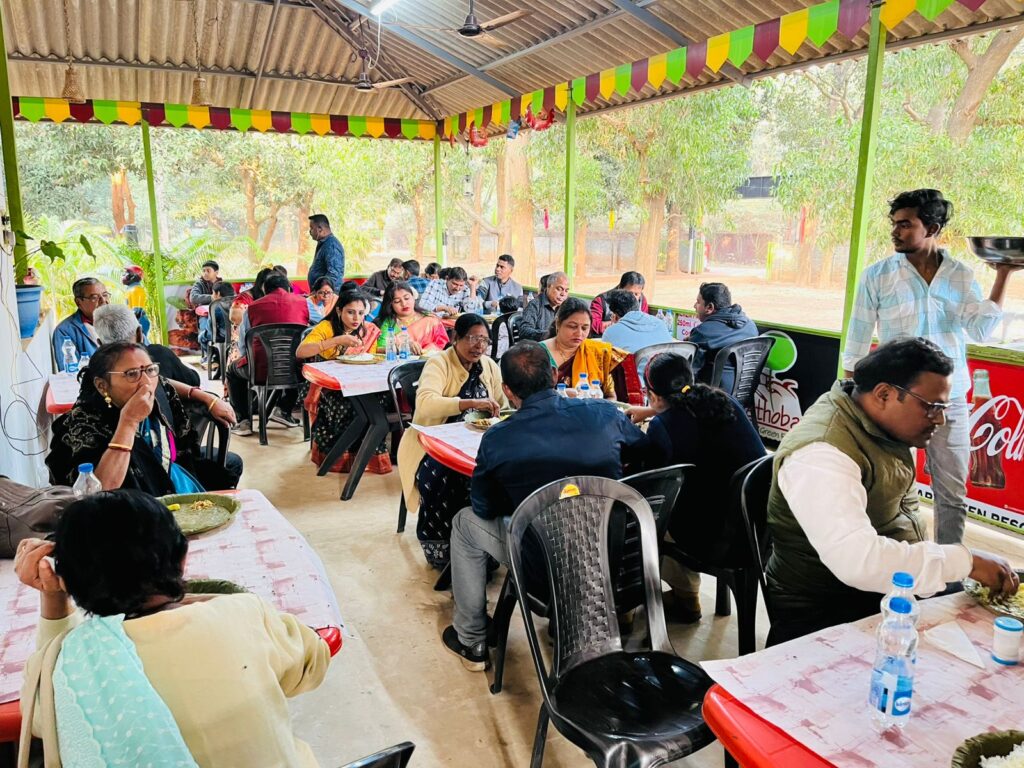
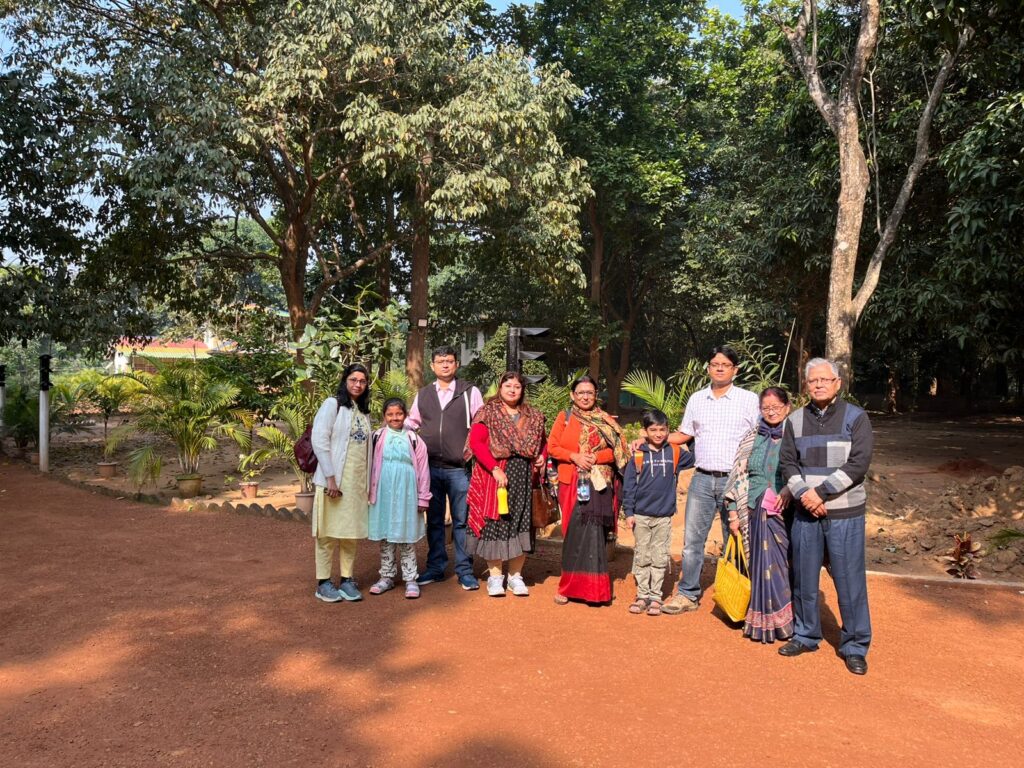
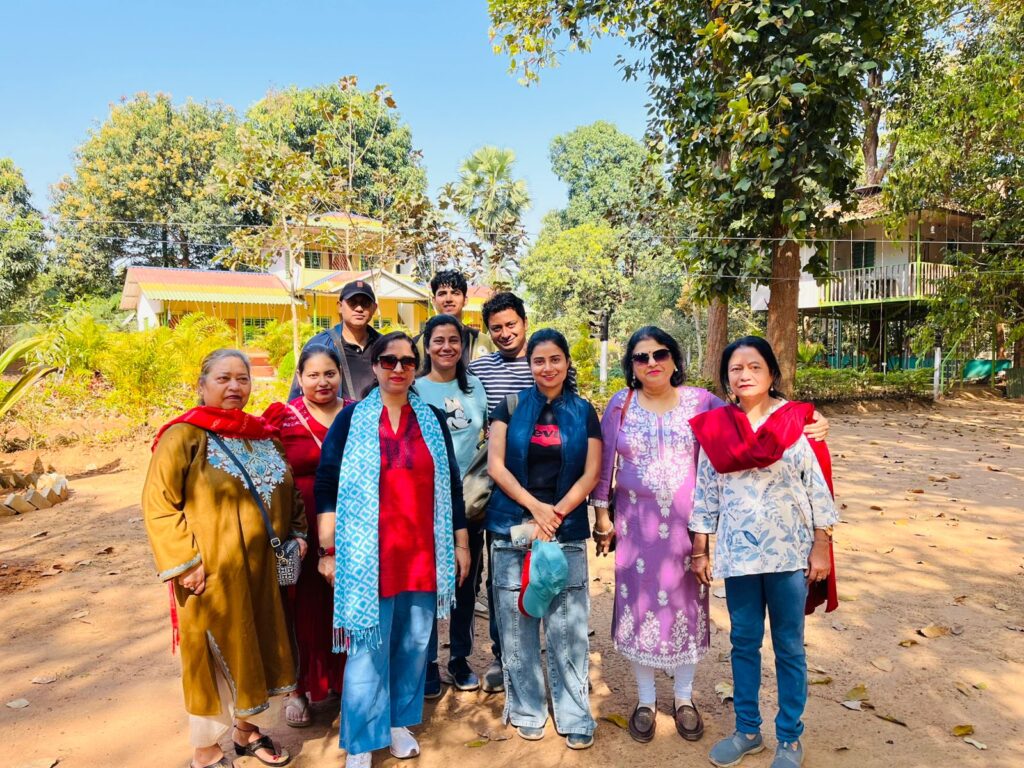
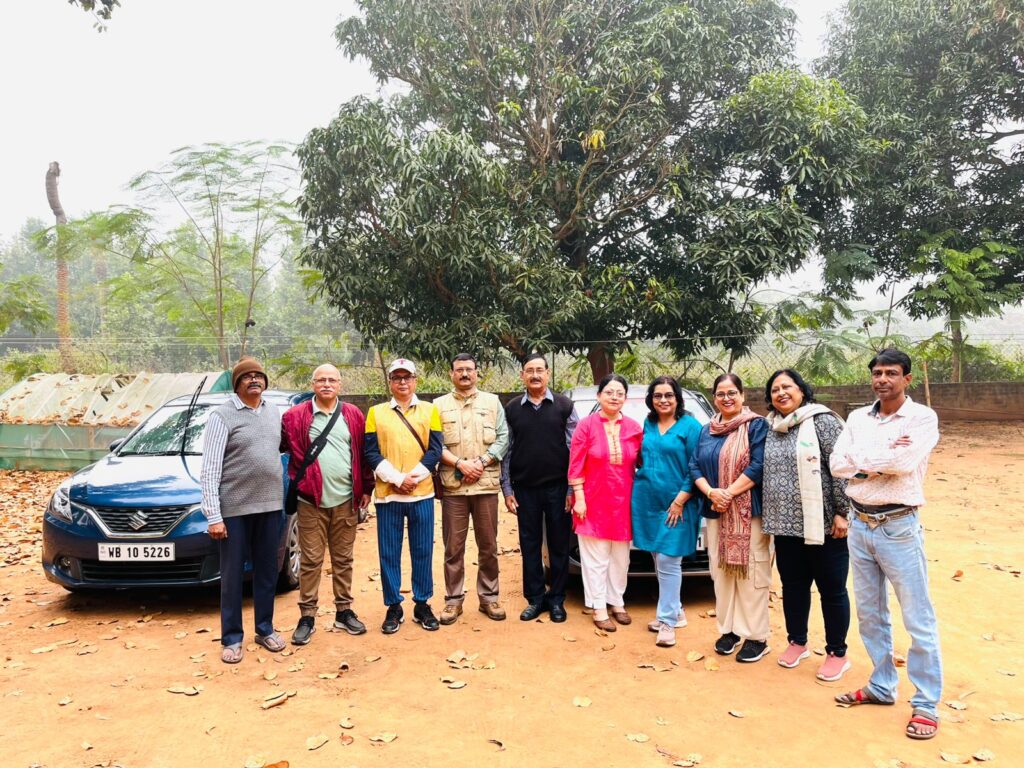
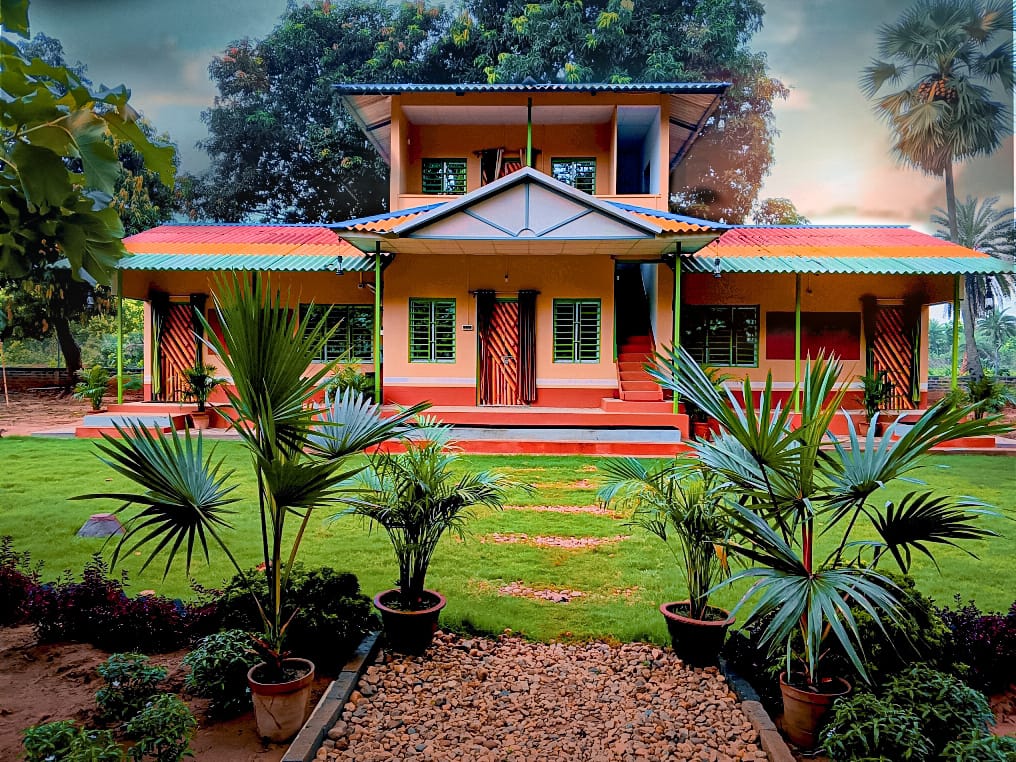
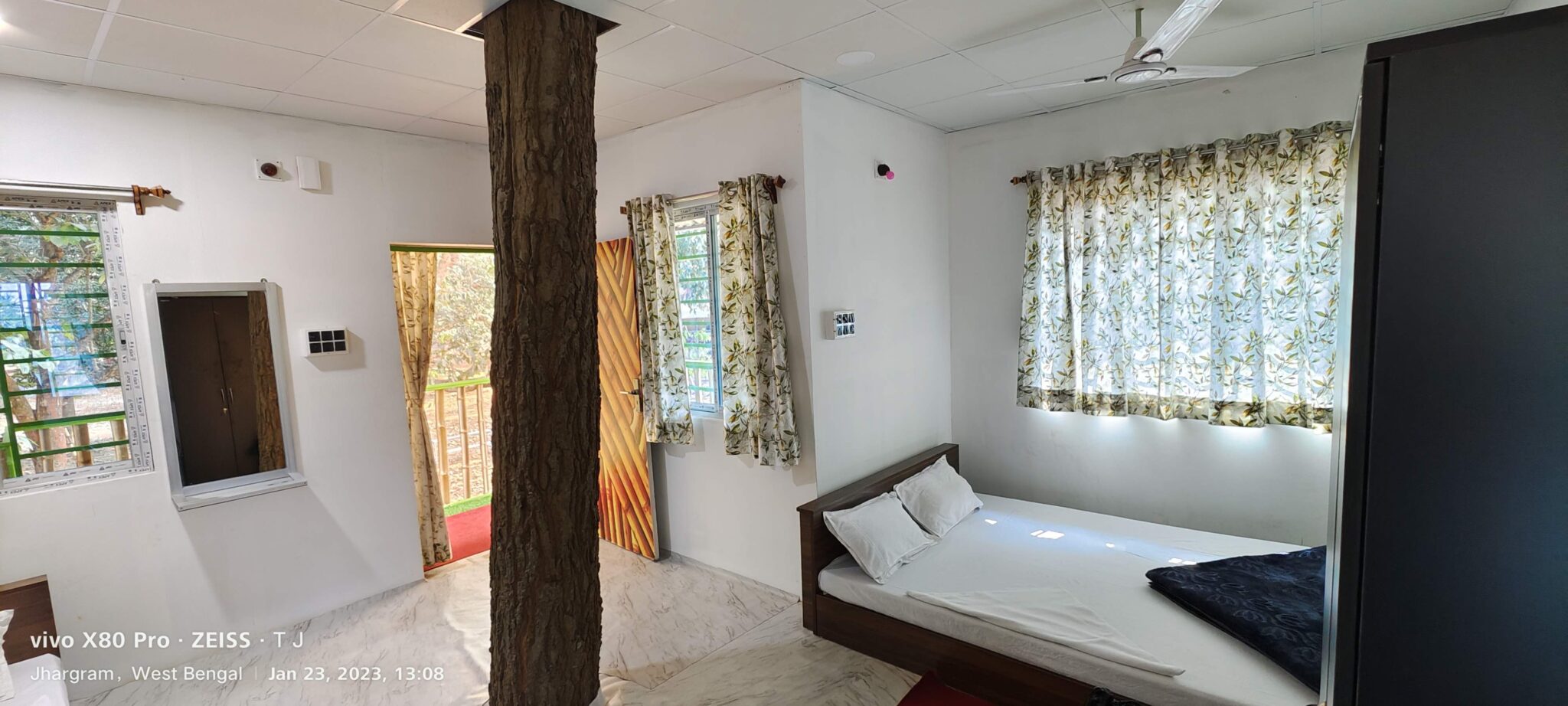
"Resort Glimpses"

"Nearest Attractions"

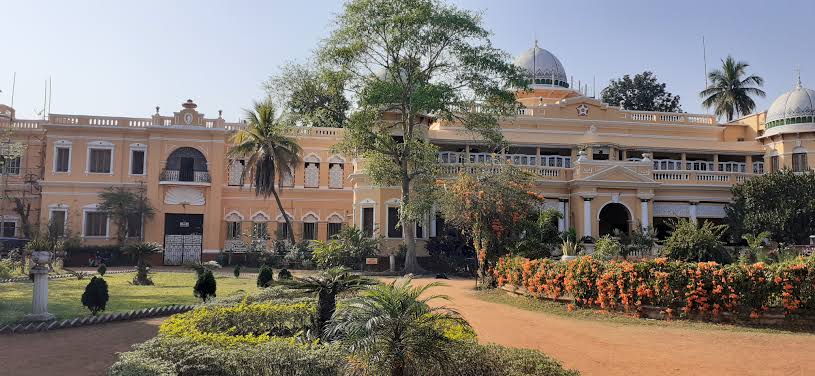
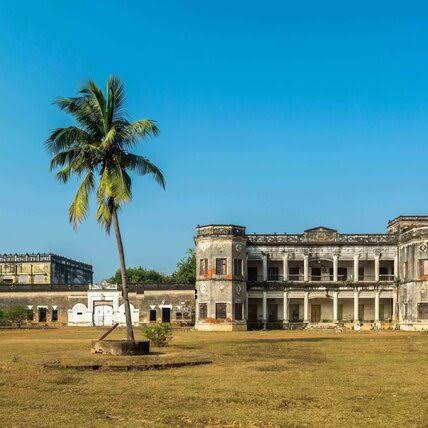
Jhargram Royal Palace:-also known as Jhargram Rajbari, is the current residence of the Malla Deb royal family. Raja Man Singh, granted mansabdari of the entire region of Junglekhand to his victorious generals Sarveshwar Singh Chauhan and his elder brother, under suzerainty and subordination as a tributary vassal state to the Mughal Emperor Akbar. He named his capital Jhargram which means ‘a village surrounded by deep forests’, hence the rulers of Jhargram assumed the title “Malla Deb”.In 1799, the ruler of Jhargram, revolted against the East India Company.The royal family ruled their dominions and estates from Jhargram Palace.The kingdom had its golden era during the reign of Raja Narasingha Malla Deb.

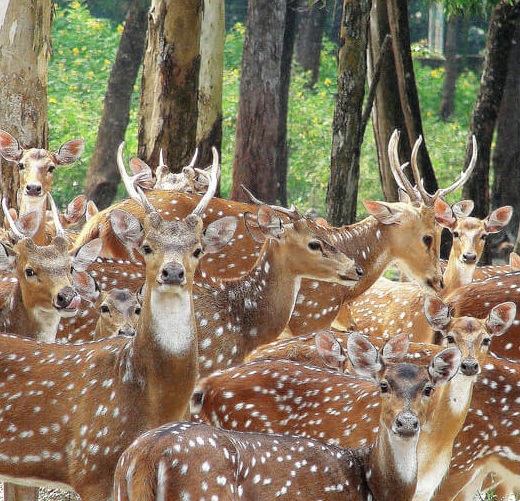
Jhargram Zoological Park:– The Junglemahal Zoological Park (also informally called as Jhargram Zoological Park or Jhargram Mini Zoo) is a zoological park and a big tourist attraction in JhargramWest Bengal.Junglemahal Zoological Park was established in 1980 as a deer park.In 2014 it was changed to a major zoo and given the name Junglemahal Zoological Park by the Government of West Bengal.

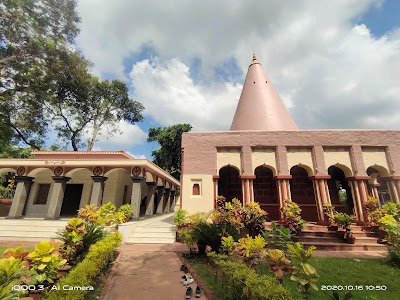
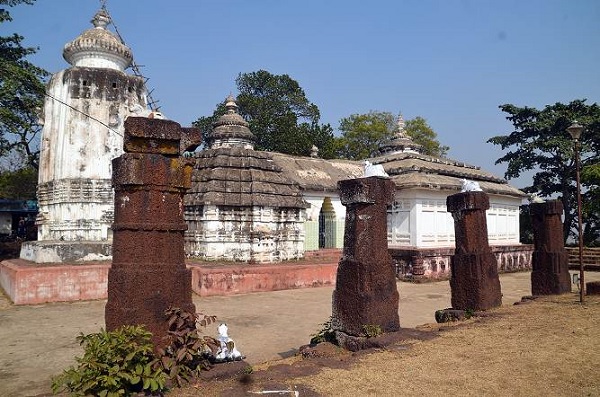
Historical Sabitri Mandir:-The Sabitri Mandir in Jhargram is an ancient temple dedicated to the deity Goddess Sabitri, an incarnation of Durga. The temple has historical ties to the Malla Dev royal family, who have worshipped the goddess for centuries.The Sabitri Temple is the ancestral deity of the Malla Dev dynasty, and the royal family continues to organize and perform the religious rituals. Instead of a traditional idol, a stone is worshipped as the divine embodiment of the goddess. The stone idol is believed to be over 350 years old. Goddess Sabitri is worshipped as a form of Durga, with special festivities and rituals performed by the royal family during Durga Puja.The Durga Puja rituals involve Brahmins reciting hymns for ten days and a grand Maha Aarti on Durga Ashtami. Traditional drummers, known as dhakis, also participate in the festivities.The Malla Dev family has maintained the tradition of worshipping the goddess for several centuries. 

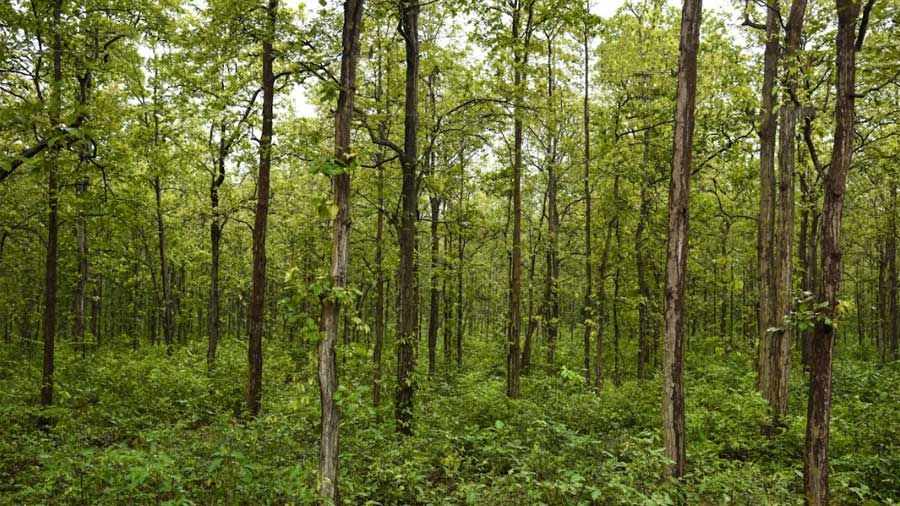
Kolaboni Forest View:-Kolaboni forest is a forested area in the Jhargram district of West Bengal, known for its dense sal, simul, and mohua trees, and is popular for photography. Its situated at the entrance of Aranya Sundari Jhargram .It is recognized as a scenic spot, particularly for its photography opportunities.

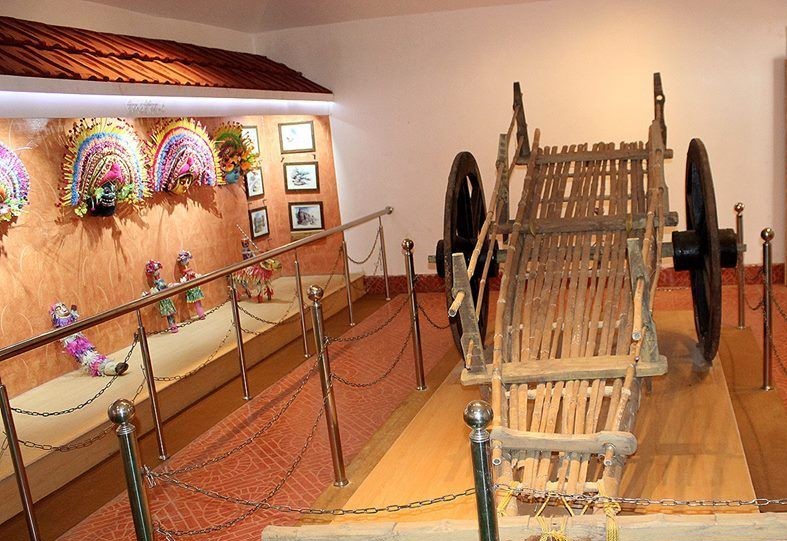
Tribal Museum:-likely referring to the Eco-Tourism Centre and Tribal Museum in Jhargram, which showcases relics of tribal culture. It is set in a sprawling, forested area and is also referred to as the Bandarvula Tribal Interpretation Centre. The museum features displays on the indigenous tribal culture of the district, including their clothing, lifestyle, and history. It is housed within a beautiful forest retreat.

Chilkigarh Rajbari:-The Chilkigarh Rajbari, also known as the Chilkigarh Raj Palace, is a historic and popular tourist attraction in the Jhargram district of West Bengal. The palace has a rich history connected with the Dhalbhum region. It is surrounded by a dense forest and protected by a long wall, once used to defend against invaders known as the “Borgi”.A major attraction near the palace is the Kanak Durga Temple, located in a forest on the banks of the Dulung River. This temple was built by King Gopinath Singh, and its idol is made of Ashtadhatu.

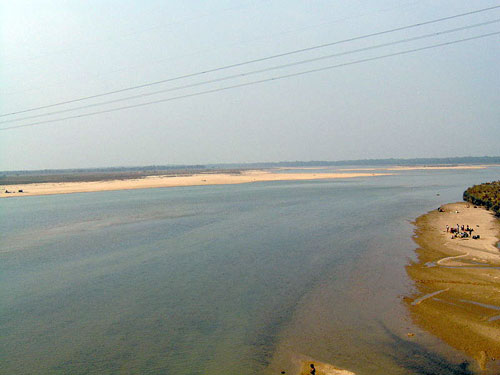
Subarnarekha River Bank:-The Subarnarekha River flows through the Indian states of JharkhandWest Bengal and Odisha.Here, the river flows through Gopiballavpur, a town in the Jhargram district of West Bengal. This section of the river is known for its scenic beauty. The banks of the Subarnarekha river is a notable point of interest.The river’s name means “Streak of Gold,” and it is believed that gold particles were historically found in its sandy beds.

Rameswar Tapoban:-Rameswar Tapoban refers to two distinct but historically connected tourist spots in the Jhargram district of West Bengal: the Rameswar Temple and the nearby Tapoban forest.The temple’s principal deity is Lord Shiva.Local legends say that Sita requested Ram to build this temple to worship Lord Shiva.The temple’s architecture is unique because sunlight enters the main chamber despite there being no windows.This dense forest area is believed to be the hermitage (ashram) of sage Valmiki where Lord Rama left Sita, and where their sons, Luv and Kush, were born.The area features a temple dedicated to Ram, Sita, Valmiki, and Luv-Kush.


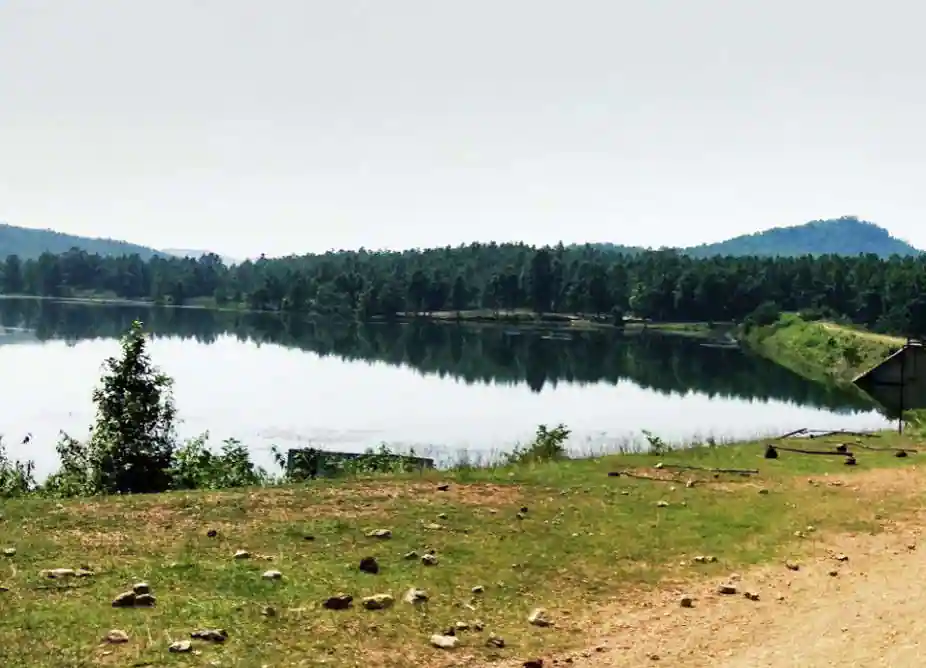
Khandarani Lake:-A beautiful dam lake surrounded by lush green forests and mountains, it’s known for its serene natural beauty. The water from the dam is used for irrigating agricultural land.A variety of migratory birds flock to the lake, especially during winter. Visitors can walk around and explore the scenic views.Winter is a good time for birdwatching.

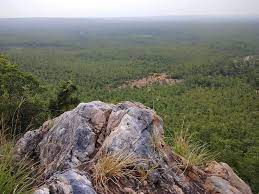
Gadrasini Hill With Cave:- Gadrasini Hill is a serene natural and spiritual tourist destination located near Belpahari in the Jhargram district of West Bengal, India. It is known for its tranquil environment, an ancient Hindu temple at its peak, a cave, and opportunities for short treks and bird watching.The temple at the top is about 300 meters high, offering panoramic views of the surrounding hills and plains.The area is surrounded by lush green forests, making it a paradise for colorful birds and a great spot for nature lovers and photography enthusiasts.

Dhangikusum:-Dhangikusum is primarily the name of a village and a popular tourist spot, specifically a waterfall and a viewpoint, located near Belpahari in the Jhargram district of West Bengal, India.The area is known for the scenic Dhangikusum Falls, a viewpoint, forest treks and an opportunity to experience local tribal culture.The surrounding region is part of the “Jungle Mahal” area, characterized by dense forests of Sal, Pial, and Kendu trees, and undulating hills, making it a destination for nature lovers and adventure seekers.

Kakrajhor:-an offbeat tourist destination known for its hills and dense forests located in the Jhargram district of West Bengal, India.The name itself means “hilly lands with dense forests” (‘kakra’ for hills, ‘jhor’ for jungles/forests). It’s an ecotourism spot featuring hardwood trees like sal, teak, and mahua.Popular activities include trekking in the nearby hills and jungles,exploring local villages etc.

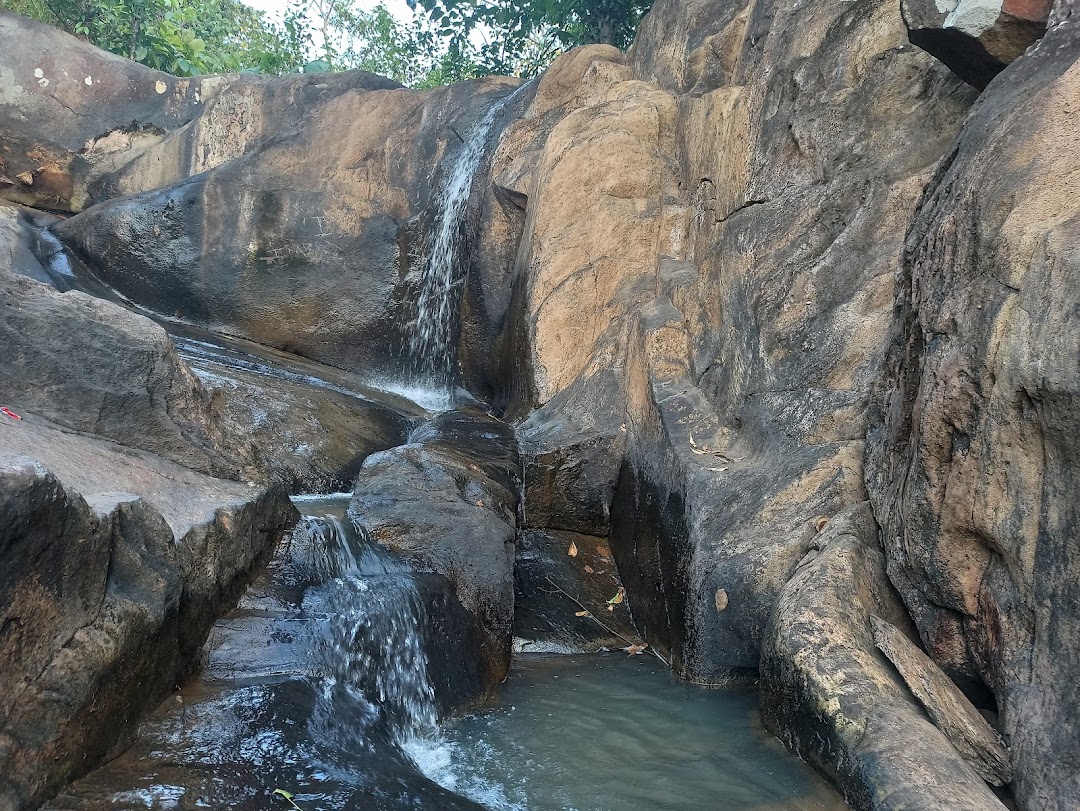
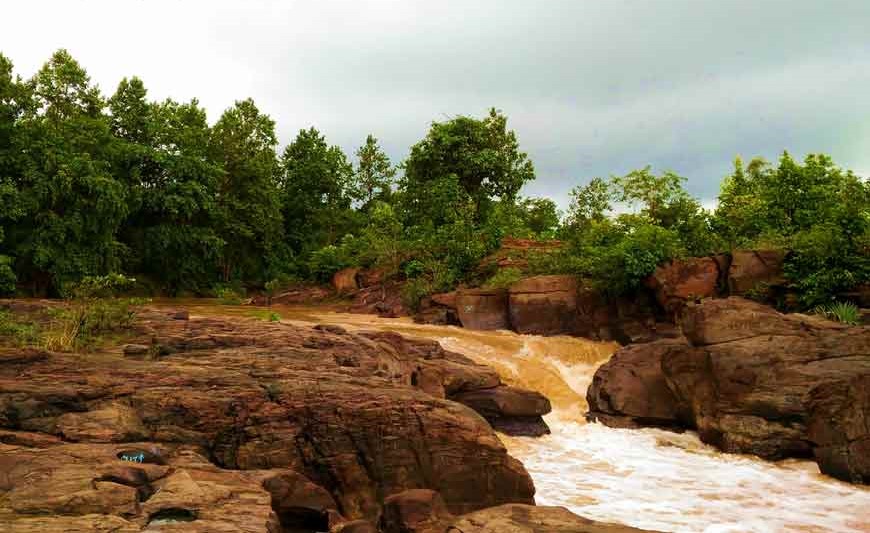
Ghagra Falls:- Ghagra Waterfalls is a series of cascades on the Tarafeni river, located near the village of Ghagra in the Jhargram district of West Bengal. It is a popular picnic spot, known for its scenic views and a canyon of black rocks, from which it gets its name.Experience the lush green surroundings. 
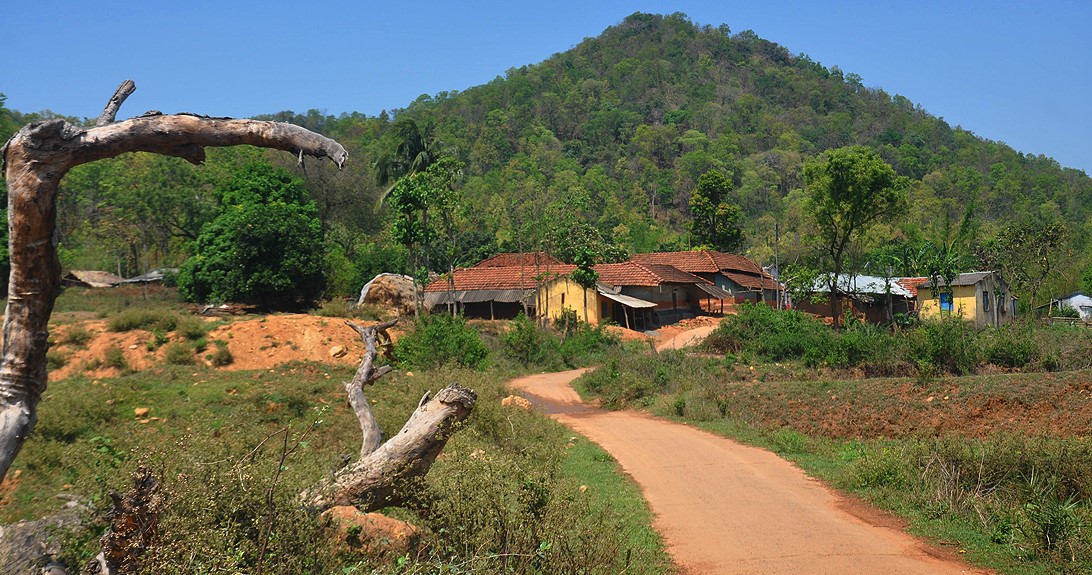
Khwabgah:-a tribal village transformed into a living canvas of tribal art.The mud walls of the villagers’ homes are adorned with intricate and colorful murals depicting tribal rituals, folklore, and nature. The villagers repaint the murals every year.The community also crafts different items which are sold in small village museums.

"Amenities"

                                                                                                                     * Free Car Parking

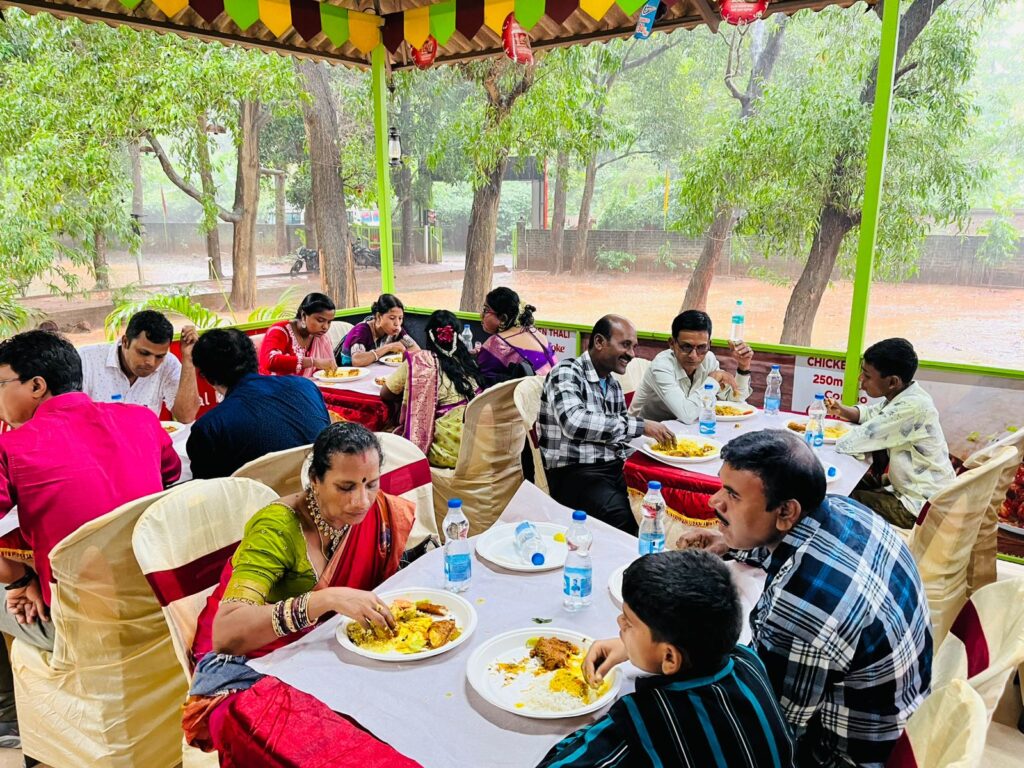
                                                                                                                                    * Restaurant

                                                                                                                                    * Day Outing

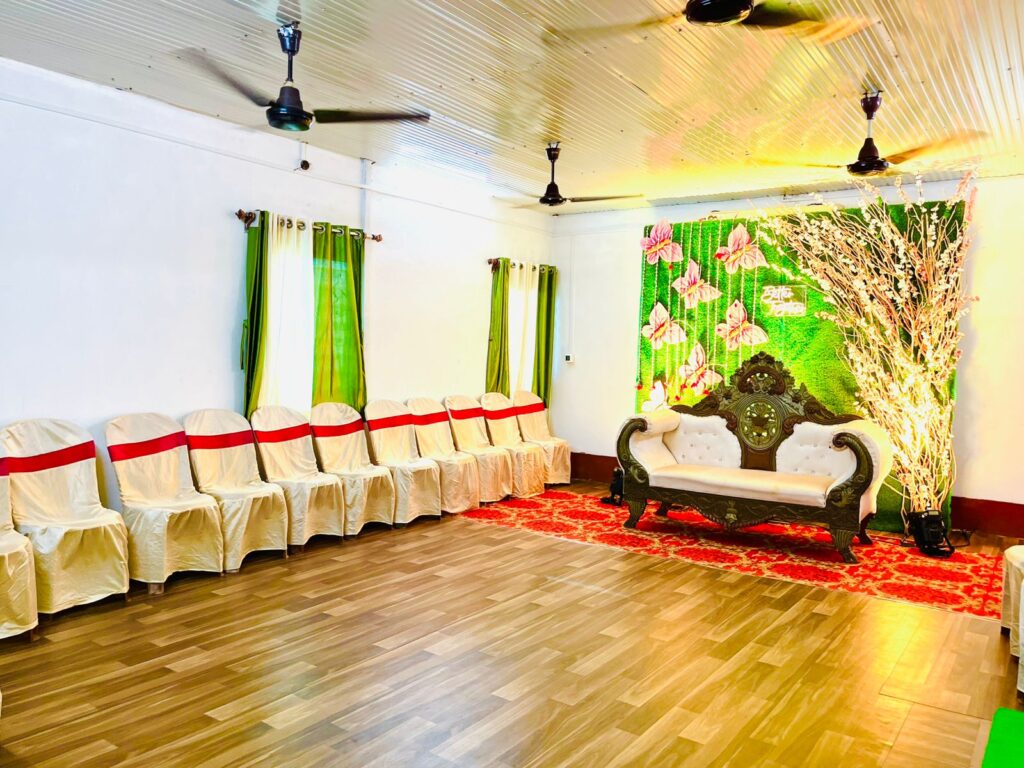
                                                                                                                                    * Meeting & Events

                                                                                                                                    * Bonfire